When disaster strikes, people’s true nature is revealed. Some will come together, helping neighbors and strengthening their communities. But history has shown that when resources become scarce—when food, water, and safety are no longer guaranteed—there will always be those who turn to desperation, violence, and looting.
If you’ve taken the time to prepare, stockpile supplies, and secure your home, you’re ahead of the curve. But that also means you could become a target for those who failed to prepare. This is why knowing how to defend your family and safely using firearms is not just a right—it’s a responsibility.
Why Defense Skills Matter in a Disaster
In a collapse scenario, law enforcement may be stretched too thin or may not come at all. When seconds count, you won’t have time to call for help. The responsibility for your family’s safety falls entirely on you.
Here’s why self-defense skills and firearms training should be part of every prepper’s plan:
1. Desperate People Do Desperate Things
Disaster changes people. When grocery stores are empty and desperation sets in, even normally law-abiding citizens can become a threat. If your home is known to be stocked with food, water, and supplies, you could quickly become a target.
Having the means and ability to defend your home could be the difference between keeping your family safe or becoming another victim of looters.
2. A Gun Is Only as Good as Your Training
Simply owning a firearm isn’t enough. In a high-stress situation, if you haven’t trained, you could fumble, freeze, or worse—cause harm to yourself or a loved one.
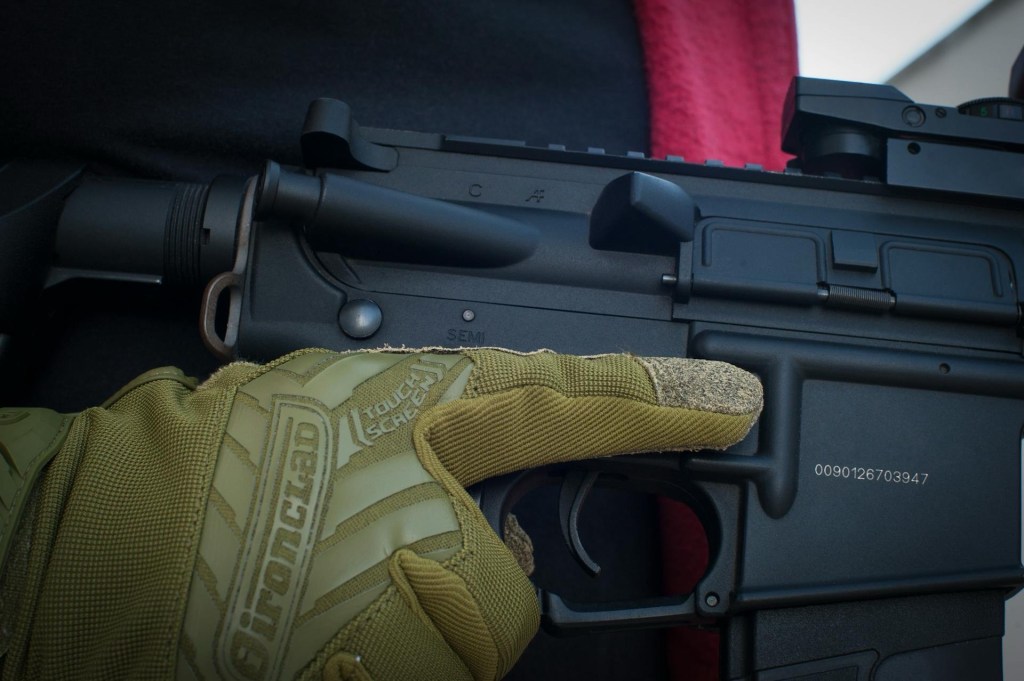
Regular firearms training, dry-fire practice, and situational drills will help you:
• Build muscle memory so you can respond without hesitation.
• Improve accuracy under pressure.
• Learn proper safety measures to avoid accidents.
• Understand when and when not to use force.
Training isn’t just about shooting; it’s about developing the mindset to handle life-or-death situations calmly and effectively.
3. Operational Security (OPSEC) Is Just as Important as Firearms

One of the biggest mistakes new preppers make is telling too many people about their stockpile.
Think about it—if your neighbors, friends, or even extended family know you have months of food, medical supplies, and gear, where do you think they’ll go when they’re hungry and desperate?
Even if they don’t mean harm, word travels fast. All it takes is one person mentioning your preparedness to the wrong person, and suddenly, your home is on the list of places to raid.
Keep your prepping low-key. Only a trusted inner circle should know exactly what you have. If someone asks about your preparedness, keep it vague—“We have a few things set aside, just in case.”
How to Secure Your Home Against Looters
Beyond firearms training, it’s important to harden your home against intrusion. A layered defense gives you time to react and deters criminals from choosing your home in the first place.
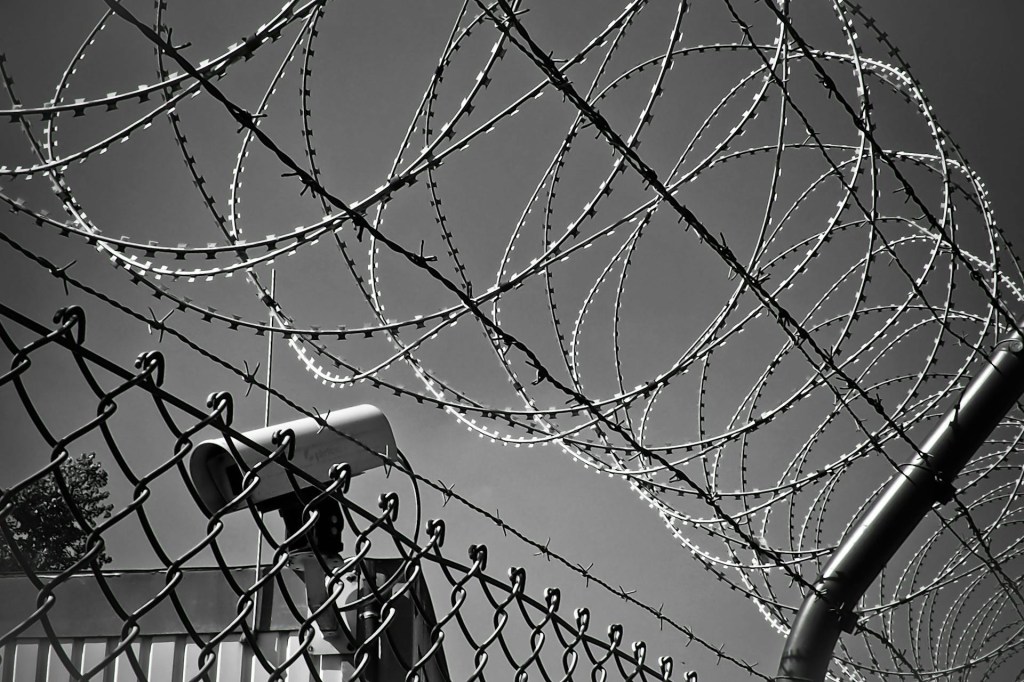
• Physical barriers: Reinforced doors, security film on windows, and motion-detecting lights.
• Alarm systems: Battery-powered or solar security systems to alert you to intruders.
• Defensive positioning: Understand where to take cover in your home if shots are fired.
• Community awareness: If possible, have a trusted network of neighbors who can look out for each other.
Stay Ready, Stay Smart
Being prepared isn’t just about stocking up—it’s about having the skills to protect what you’ve built. A well-trained, well-prepared person is far less likely to become a victim.
Firearms are a tool, and like any tool, they must be used with knowledge, respect, and responsibility. Combine your training with strong OPSEC and home security measures, and you’ll greatly increase your chances of keeping your family safe in an emergency.
Prepare wisely. Train often. And remember—what people don’t know, they can’t come for.
Follow us on Instagram for regular updates, upcoming Skills & Drills events and more resources to help you get prepared.













 Holy Homestead