Posted in Prepping

Why Knowing How to Defend Your Family Is Critical in a Disaster

When disaster strikes, people’s true nature is revealed. Some will come together, helping neighbors and strengthening their communities. But history has shown that when resources become scarce—when food, water, and safety are no longer guaranteed—there will always be those who turn to desperation, violence, and looting.

If you’ve taken the time to prepare, stockpile supplies, and secure your home, you’re ahead of the curve. But that also means you could become a target for those who failed to prepare. This is why knowing how to defend your family and safely using firearms is not just a right—it’s a responsibility.

Why Defense Skills Matter in a Disaster

In a collapse scenario, law enforcement may be stretched too thin or may not come at all. When seconds count, you won’t have time to call for help. The responsibility for your family’s safety falls entirely on you.

Here’s why self-defense skills and firearms training should be part of every prepper’s plan:

1. Desperate People Do Desperate Things

Disaster changes people. When grocery stores are empty and desperation sets in, even normally law-abiding citizens can become a threat. If your home is known to be stocked with food, water, and supplies, you could quickly become a target.

Having the means and ability to defend your home could be the difference between keeping your family safe or becoming another victim of looters.

2. A Gun Is Only as Good as Your Training

Simply owning a firearm isn’t enough. In a high-stress situation, if you haven’t trained, you could fumble, freeze, or worse—cause harm to yourself or a loved one.
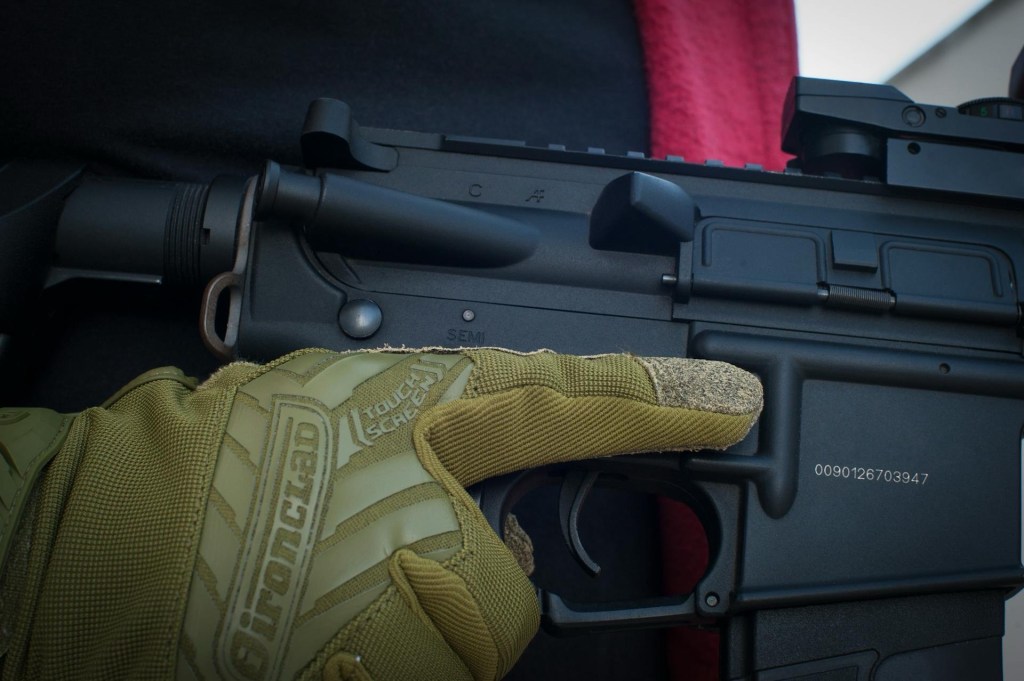
Regular firearms training, dry-fire practice, and situational drills will help you:
• Build muscle memory so you can respond without hesitation.
• Improve accuracy under pressure.
• Learn proper safety measures to avoid accidents.
• Understand when and when not to use force.

Training isn’t just about shooting; it’s about developing the mindset to handle life-or-death situations calmly and effectively.

3. Operational Security (OPSEC) Is Just as Important as Firearms

One of the biggest mistakes new preppers make is telling too many people about their stockpile.

Think about it—if your neighbors, friends, or even extended family know you have months of food, medical supplies, and gear, where do you think they’ll go when they’re hungry and desperate?

Even if they don’t mean harm, word travels fast. All it takes is one person mentioning your preparedness to the wrong person, and suddenly, your home is on the list of places to raid.

Keep your prepping low-key. Only a trusted inner circle should know exactly what you have. If someone asks about your preparedness, keep it vague—“We have a few things set aside, just in case.”

How to Secure Your Home Against Looters

Beyond firearms training, it’s important to harden your home against intrusion. A layered defense gives you time to react and deters criminals from choosing your home in the first place.
Physical barriers: Reinforced doors, security film on windows, and motion-detecting lights.
Alarm systems: Battery-powered or solar security systems to alert you to intruders.
Defensive positioning: Understand where to take cover in your home if shots are fired.
Community awareness: If possible, have a trusted network of neighbors who can look out for each other.

Stay Ready, Stay Smart

Being prepared isn’t just about stocking up—it’s about having the skills to protect what you’ve built. A well-trained, well-prepared person is far less likely to become a victim.

Firearms are a tool, and like any tool, they must be used with knowledge, respect, and responsibility. Combine your training with strong OPSEC and home security measures, and you’ll greatly increase your chances of keeping your family safe in an emergency.

Prepare wisely. Train often. And remember—what people don’t know, they can’t come for.

Follow us on Instagram for regular updates, upcoming Skills & Drills events and more resources to help you get prepared.
Posted in Prepping

Let’s Build A BOB, pt 9

Supply Categories to include in your BOB:

1. Water and Hydration (see pt 1)
2. Food and Food Preparation (see pt 2)
3. Clothing (see pt 3)
4. Shelter and Bedding (see pt 4)
5. Fire/Heat Source (see pt 5)
6. First Aid (see pt 6)
7. Hygiene (see pt 6)
8. Tools (see pt 7)
9. Lighting (see pt 8)
10. Communications (see pt 8)
11. Protection and Self-Defense
12. Miscellaneous Supplies

Protection and Self-Defense

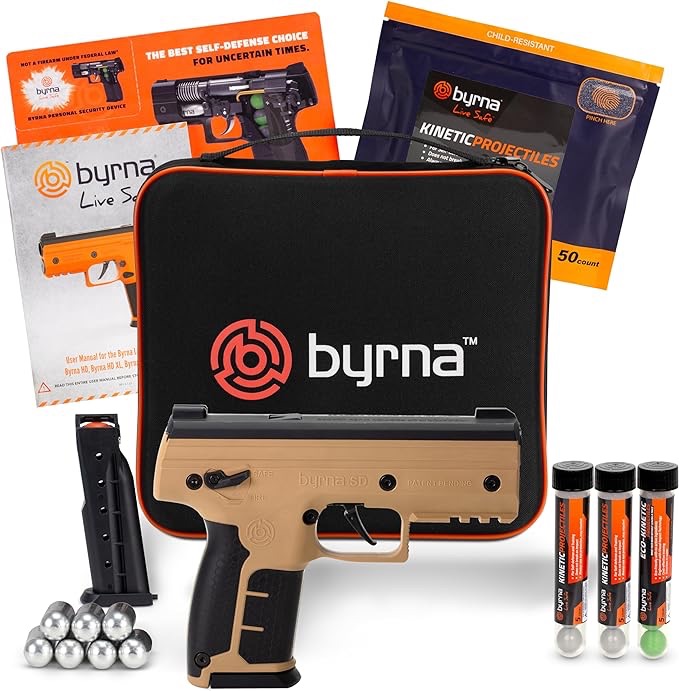
Having a gun for protection goes without say. You don’t necessarily need to keep this in your Bug Out Bag but if it is not on your body as an every day carry (EDC), it should be in an easily accessible place to grab as you go, same as your boots. If you choose not to carry under normal circumstances you may want to have a firearm in your bug out bag as well as a holster, magazines, and ammunition.

We understand laws are different in different areas/regions, but in a SHTF scenario that requires you to BUG OUT, that all goes out the window and your main priority should be survival and sustainment. Bug out situations can be a little more volatile than normal circumstances. We’re not saying to go on a rampage and be violent toward people you come across, but a gun could save your life if you encounter large game such as a bear, or someone who is truly irate and intends to do harm to you or your family. It could also be used for hunting if necessary in a long-term bug out situation.

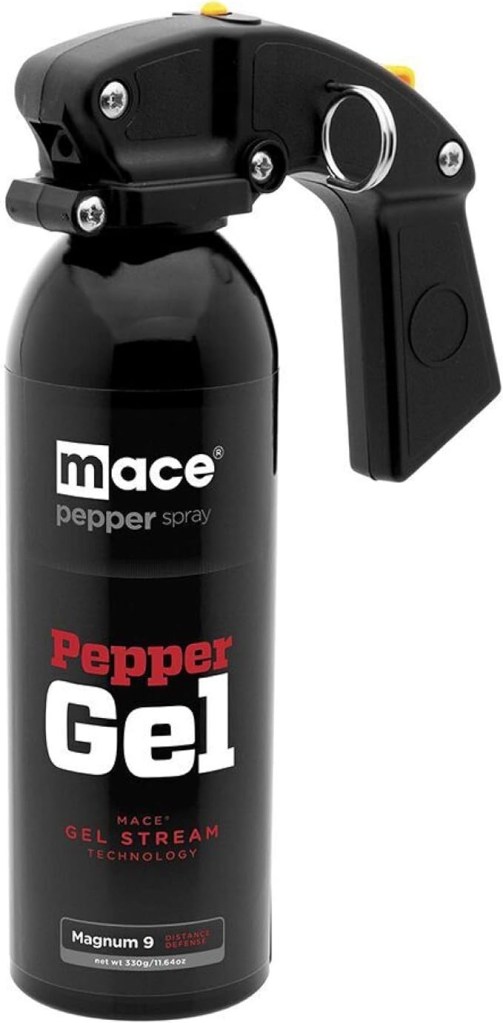
Gel Pepper Spray is also a good option to keep in your BOB.

Miscellaneous Supplies

You may want a few extra items in your bag in case you are not able to return to home base such as identification, passports, cash, conceal carry license, vaccination records, keys, or extra glasses if you wear corrective lenses.

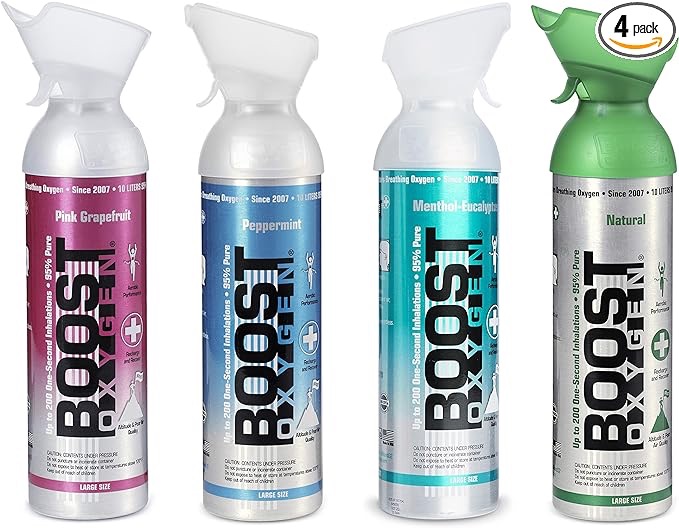
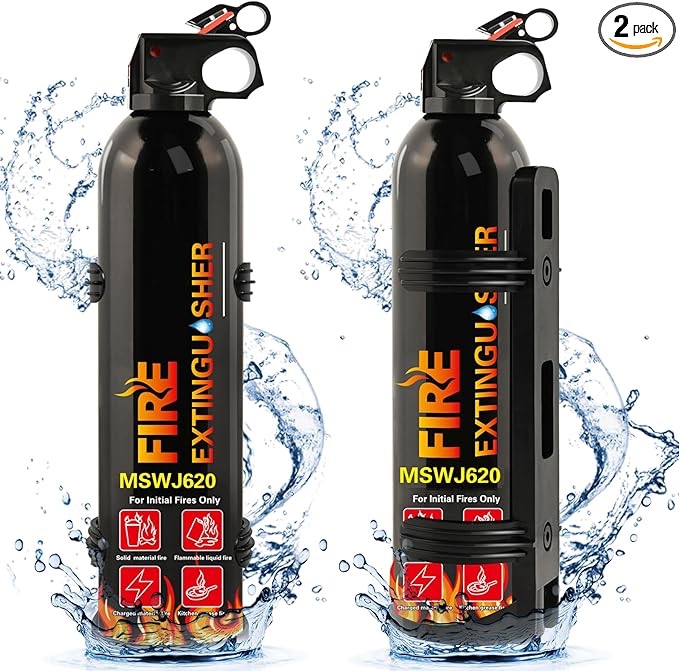
We keep a couple bottles of Oxygen and a Fire Extinguisher near our bags. While they are not exactly necessary, we choose to keep these on hand and have used them from time to time. They don’t take much space and are very light weight. Toilet paper is also not a necessity, but can be a nice thing to have in a bug out situation to make yourself feel more “human” which helps keep you calm and rational.

Many people think they just need to throw everything and the kitchen sink into their bag and forget about it. That is absolutely the wrong way to think! Only pack the items you need and KNOW HOW TO USE THEM to keep your bag at a manageable weight. Keep a close relationship with your BOB and make sure electronics are charged at all times and ready to go and food is rotated to keep as fresh as possible with long shelf life items. Finally, keep relevant clothing items within your bag that are weather appropriate and fit comfortably.

In the event you do have to grab your BOB and hit the road, you most likely will have at least a few minutes to gather your items and go. However, expect these minutes to be high-stress and probably a little chaotic. It would be good to periodically consider the additional items you would want to grab before you bug out. Maybe grab an extra bag to throw items from your pantry into or an extra sleeping bag that can be rolled up and attached to the outside of your bag. Your bag is never truly “complete” we just urge you to have a plan and have a bag ready to go with the basic categories covered.

We also have pre-made, ready-to-go Survival Kits available in our shop (under the Merchandise tab).

Put on the full armor of God, so that you can take your stand against the devil’s schemes.

Ephesians 6:11
Posted in Prepping

Let’s Build A BOB, pt 3

Supply Categories to include in your BOB:

1. Water and Hydration (see pt 1)
2. Food and Food Preparation (see pt 2)
3. Clothing
4. Shelter and Bedding
5. Fire
6. First Aid
7. Hygiene
8. Tools
9. Lighting
10. Communications
11. Protection and Self-Defense
12. Miscellaneous Supplies

Clothing

There’s a lot to consider when packing your BOB clothing and it will vary, depending on your location. Some of you might live in a very cold climate and some in a very hot climate, or you could have both. It’s good to keep in mind that you might need to alternate what clothing you have in your BOB throughout the year depending on the season, for those of you who have extreme seasons. It is always good to have at least one long sleeve shirt and multiple pairs of socks regardless of the weather though. The full coverage protects you from weather exposure and insects.

Although the specific clothes you should pack will differ, it goes for everyone that they will need to be durable and most importantly, comfortable! Rip stop fabric would be the best option. If you don’t know what that is, I highly suggest taking a brief moment to check it out! I also highly recommend NOT having any type of jean material; denim is your worst enemy when wet. Use light weight wool blends wherever possible or polyester nylon blends. You’ll be happy you did, trust me.

One item that I feel gets overlooked a lot is a Shemagh (pronounced shuh-maag). A Shemagh is a large square scarf worn primarily in the desert regions of the world to protect ones face from the sun, wind, and sand. It’s an item widely used by American and British troops serving in the Middle East. The Shemagh is much more than just a head and face wrap. It’s probably the most multifunctional survival item I have ever owned with literally hundreds of uses. It makes an excellent BOB addition. It is so lightweight and can be carried on your persons or in your BOB. I keep multiple in mine; definitely a must have item. You can find these in many different colors also, which is always fun. If you need more convincing, here are just a few things a Shemagh can be used for, while taking hardly any room in your BOB:
1. Face and Head protection from elements
2. Arm sling for first aid if arm is injured
3. Wrapping it around your waist and using as an extra pack
4. Filtering water
5. A bandage if there is nothing else

A light weight, crushable, brimmed hat is a good idea also and can be paired nicely with a Shemagh. It will help protect your head as well as your face from the elements, such as sun, wind, and rain. These hats are often referred to as a “Boonie” hat. Another item I have on me, or in my vehicle at all times, is a large rain poncho. It’s a military style rain poncho and can be used as an emergency survival shelter, and many other uses. One being obviously to keep you from getting wet, but also from the sun or other extreme elements.

In a survival situation, the ability to use your fingers and hands is crucial. Almost every survival function requires good hand coordination and dexterity; using a knife, lighting a fire, tying knots, preparing food, administering first aid, etc. Nothing will cripple your hand like cold-weather. Pack gloves! You can find a good pair of 100% wool gloves at almost any army surplus store. They are pretty cheap and will help tremendously when the time comes that you need them. Cold-weather gloves are anther important item, regardless of your locations weather. You do not want to skimp on these and risk frostbite to your extremities. You never think you need them, until you do. A pair of cold-weather gloves should always be in your BOB during the winter season. I have Viktos gloves and absolutely love them.

Moving down the body, I can’t stress enough how important it is to have proper foot protection. If you are bugging out on foot, your feet are your only means of transportation. If your feet give out and you can’t walk, your bug out is over. You’re stuck wherever you are. Take care of your feet and they will take care of you. Wool socks or a blend of synthetic wool socks are by far your best bet. I have learned the hard way and will always have at least 2 pairs on me at all times. I prefer the brand SmartWool; they are a little more expensive but well worth it! Wool excels in harsh environments because of its durability and resiliency.

As for your boots, if you’re a hiker or have been in the military then you know just how important it is to have a good pair of boots on your feet! You will definitely need to have a pair of durable, waterproof, ankle high, hiking boots. These don’t need to be packed inside your bag but should be kept very close to it as you will be wearing these boots in the event of a bug out. Oh, and please make sure they’re broken in. There’s nothing worse than going on a long hike without first breaking in those new pair of boots. You could potentially be walking for several days with a 30 pound BOB on your back. Your boots should be broken in, tested, proven, and comfortable. There are many different styles and brands that will work just fine. I personally have gone through many different pairs in my life, including some boots that have been very expensive and fell apart on me within the first few months of use. So expensive doesn’t always mean better. I would highly recommend the brand Viktos, they are by far my favorite boots I’ve ever owned and had a very quick break-in period. I have definitely put them to the test and can personally guarantee they are “bad-a** approved!” They have a wide variety with all kinds of footwear. Not to mention they look pretty awesome too! I like the black camo.

Thoughtful preparation and planning is absolutely necessary if you expect to survive the extreme elements. If you live in an area prone to winter blizzards or snow storms, consider packing snow shoes. Heavy snowfall can be nearly impossible to travel in by foot. There are so many examples out there, but one that comes to mind is the 2011 Tohoku earthquake and tsunami in Japan. It forced thousands of people to bug out in freezing conditions. Many of these people fled into the mountains with only what they could carry. Like I’ve said earlier, your location has a lot to do with what you’ll be packing and how you’re going to pack your bag. You don’t want to be packing all kinds of cold weather gear if you’re living in a desert in Arizona with a very low chance of ending up in a freezing climate for your bug out destination.

Use common sense when choosing clothing for your immediate environment. If you have distinct seasons where you live, be sure to change out the clothing in your BOB to fit the season. I have a bag that I kept by my front door for years and when I went to check on it and had a look specifically at the clothing I found that I had put on some weight and most of it did not fit anymore so that’s another thing to keep in mind. Same goes for losing weight. It happens! Always know what’s in your BOB and make sure it is relevant and ready on a moments notice. If you fail to plan, you are planning to fail.

We also have pre-made, ready-to-go Survival Kits available in our shop (under the Merchandise tab).

And the Lord God made for Adam and for his wife garments of skins and clothed them.

Genesis 3:21
Posted in Prepping

Let’s Build A BOB, pt 2

Supply Categories to include in your BOB:

1. Water and Hydration
2. Food and Food Preparation
3. Clothing
4. Shelter and Bedding
5. Fire
6. First Aid
7. Hygiene
8. Tools
9. Lighting
10. Communication
11. Protection and Self-Defense
12. Miscellaneous Supplies

Food and Food Preparation

The best food to add to your bag are foods that are “open and eat” type with a long shelf life. Remember, your BOB is prepared in advance and all of these items need to be packed and at the ready for months at a time. All food should be sealed in durable, waterproof packages or resealable bags to prevent contamination and or spills in your pack. Choose foods that can be safely stored in your BOB for up to six months. Otherwise, you will need to review and replace your BOB food rations more frequently.

I personally like foods similar to “mountain house” camping style bagged food. All you do is add hot water to the bag and wait a few minutes and they’re ready to eat. You can also consider MREs (Meals ready to Eat). These are what our military use and usually consist of an entree, a large cracker, a small dessert, and a water activated chemical heat source. The only issue with MREs is their size and weight. They can take up a considerable amount of space and weigh your bag down quite a bit. I would recommend keeping a stockpile of these in a secure location or wherever you will be hunkering down, if possible. Your BOB should be just the bare essentials and light foods that you can tear into when needed such as energy bars, candy bars, and granola bars. Dry or dehydrated foods such as beef jerky are perfect to add to your bag too. They’re light and don’t take up much room. Dehydrated meals would be good too, but limit to one or two bags at most.

I’ve tried them all and the brand “Peak” is by far my favorite. Their breakfast skillet is mmm mmm good! These meals are super fast and easy to make. Truth be told, I’ve even had them at home for a quick meal. Keep in mind though, these meals are not your typical healthy option and some of them are not very tasty. In a survival situation, your focus is exactly that, survival, not culinary perfection. You will want to prioritize how heavy the supplies are and caloric intake for energy. The best solutions are packaged meals that can simply be opened and consumed with little to no preparation. Minimal prep work saves time and fuel resources. Save your organic, fresh food diet for normal and peaceful conditions, not disaster emergencies.

I like to add a few packs of baby purée pouches, apple sauce or any of the other many options of purée fruit and vegetables. They are usually found in the baby food isle at any box store. They are a perfect little snacks on the go with useful nutrients, but weigh more than the dry options and have a shorter shelf life. I’d also like to touch base on breastfeeding mothers with infants. For infants still on a liquid diet, breastfeeding is the obvious best option. It provides milk at the perfect temperature with no food preparation, heat source, or equipment. If breastfeeding is not an option, powdered formula is the next best thing. All your food needs to be checked regularly to keep your bag at optimal performance and ready to go without any problems such as leaks, tears or outdated food.

Regardless of how easy the food you pack is to prepare, it’s a good idea to include a simple cooking kit in your BOB. Having a cooking kit can help with a multitude of things, including boiling water to reconstitute dehydrated meals. You will also want to have a small metal pot and a utensil that can be used to stir and eat with. A small metal pot takes up very little room in your BOB because other items can be packed inside it to maximize the space. I usually add small insta-fire cubes and some of my favorite tinder, matches, or even a small Bic lighter. It is most advantageous to prepare wild caught meat and fish as a stew. This allows you to consume every last bit of nutrition including all the oils, fats, and juices, which are lost when meat is cooked over an open flame. Don’t pack any food that requires more than hot water for preparation. Anything more complicated is a waste of time, resources, and energy.

We also have pre-made, ready-to-go Survival Kits available in our shop (under the Merchandise tab).

Everything that lives and moves about will be food for you. Just as I gave you the green plants, I now give you everything.

Genesis 9:3